ශ්රී ලංකා ප්රජාතාන්ත්රික සමාජවාදී ජනරජයේ කොන්සල් ජෙනරාල් කාර්යාලය, මුම්බායි
இலங்கை ஜனநாயக சோசலிச குடியரசின் துணைத் தூதரகம், மும்பை
Consulate General of the Democratic Socialist Republic of Sri Lanka, Mumbai
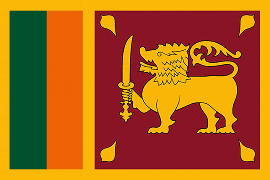
Sri Lanka
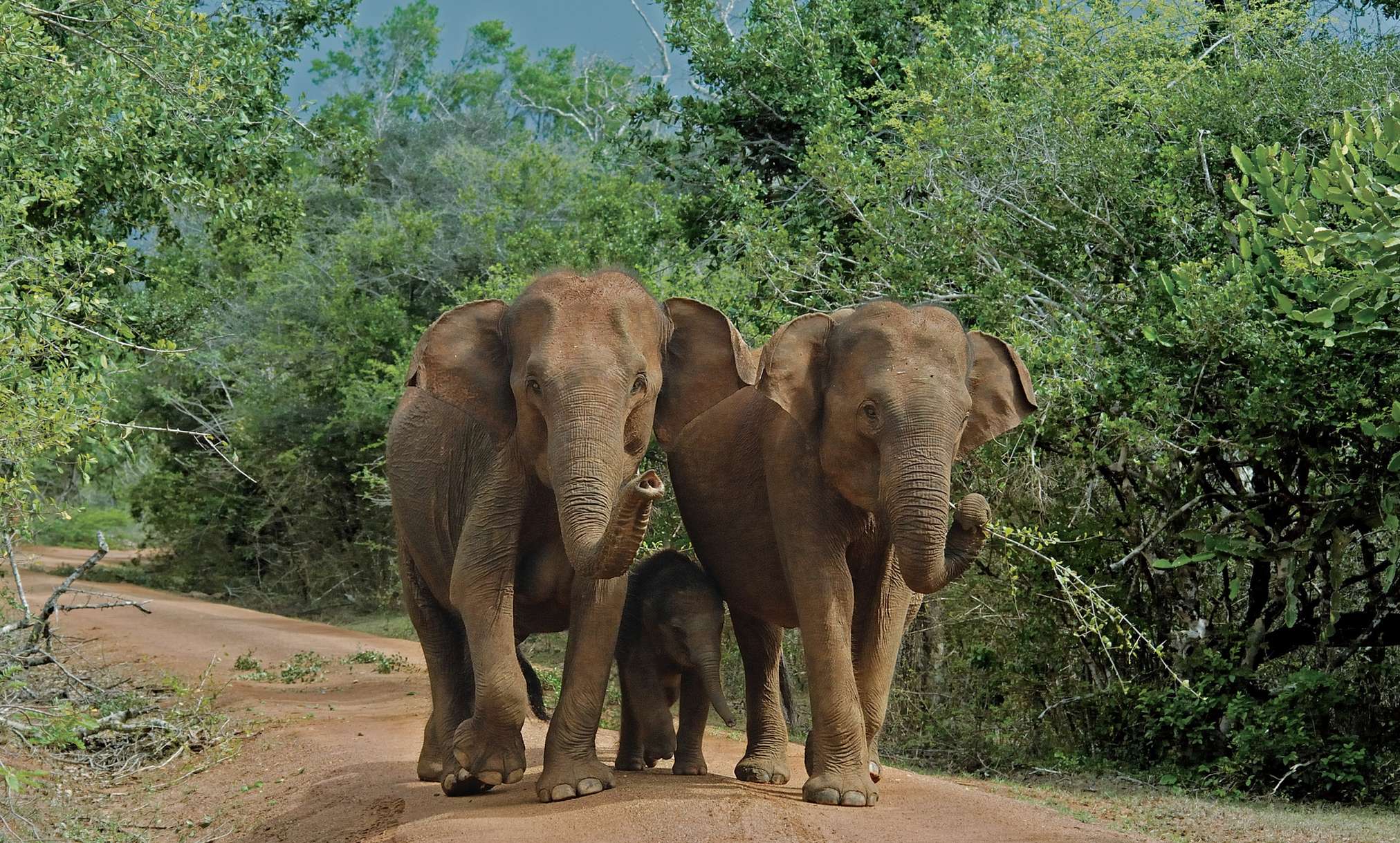
Strategically positioned in Southern Asia as a vibrant island nation in the Indian Ocean, the Democratic Socialist Republic of Sri Lanka sits just south of the Indian subcontinent, separated by the narrow Palk Strait. This compact yet geographically diverse nation encompasses a total area of 65,610 square kilometres. The island features an extensive 1,340-kilometer coastline with no land boundaries, claiming an exclusive economic zone of 200 nautical miles that underscores its historic and modern importance along major global maritime sea lanes. Sri Lanka’s unique terrain consists primarily of low, flat to rolling plains that ring the coast, giving way to a rugged, mountainous interior in the south-central region. This topography is crowned by Pidurutalagala, the nation's highest point at 2,524 meters, and is nourished by a tropical monsoon climate defined by the southwest monsoon from June to October and the northeast monsoon from December to March.
Sri Lanka is home to a cosmopolitan population of approximately 23 million people, characterized by a rich tapestry of distinct ethnic and religious communities. The Sinhalese constitute the largest ethnic group at roughly 74.9% of the population, followed by Sri Lankan Tamils at 11.2%, Sri Lankan Moors at 9.2%, and Indian Tamils at 4.2%. This diverse demographic landscape directly influences the linguistic and religious identity of the nation, where Sinhala and Tamil serve as the official languages, and English is widely utilized in administration as the "link language." In terms of spiritual heritage, Buddhism is practiced by 70.2% of the population. The remaining population adheres to Hinduism (12.6%), Islam (9.7%), and various denominations of Christianity (7.4%), creating a multi-faith society where ancient traditions and cultural celebrations deeply intertwine.
Sri Lanka’s sophisticated governance and historical trajectory reflect its evolution from a deeply rooted ancient civilization into a resilient, modern republic. The island's recorded history spans millennia. The introduction of Buddhism in the 3rd century B.C. catalysed the rise of magnificent ancient kingdoms at Anuradhapura and Polonnaruwa. Following centuries of European colonial administration by the Portuguese in the 16th century, the Dutch in the 17th century, and finally the British from 1815 onward, the nation achieved independence as a dominion named Ceylon on 4 February 1948, later officially adopting the name Sri Lanka when it transitioned to a republic in 1972. Today, the nation operates under a framework where the president serves as both the chief of state and the head of government, leading an administrative structure divided into distinct provinces. This democratic system continues to guide the country through its post-conflict reconciliation and ongoing institutional development.
The economic landscape of Sri Lanka is characterized by a dynamic, mixed economy that leverages its abundant natural resources, skilled workforce, and highly strategic geographical position. Historically celebrated by ancient Arab traders as "Serendib"—the origin of the word serendipity—the island is endowed with valuable commodities including limestone, graphite, mineral sands, phosphates, and world-renowned precious gems in particular the Ceylon Blue Sapphire. Sri Lanka has successfully transitioned from a traditional, plantation-based economy reliant on tea, rubber, and coconut exports into a diverse industrial and services hub. Today, the service sector stands as the largest economic engine, driven heavily by international tourism, while the industrial sector is anchored by a globally competitive textile and apparel manufacturing industry. Supported by a remarkably high literacy rate and favourable human development indicators compared to regional peers, Sri Lanka remains actively focused on navigating modern structural reforms, expanding foreign investment, and fostering long-term sustainable growth.
For detailed information, please visit National Portal of Sri Lanka