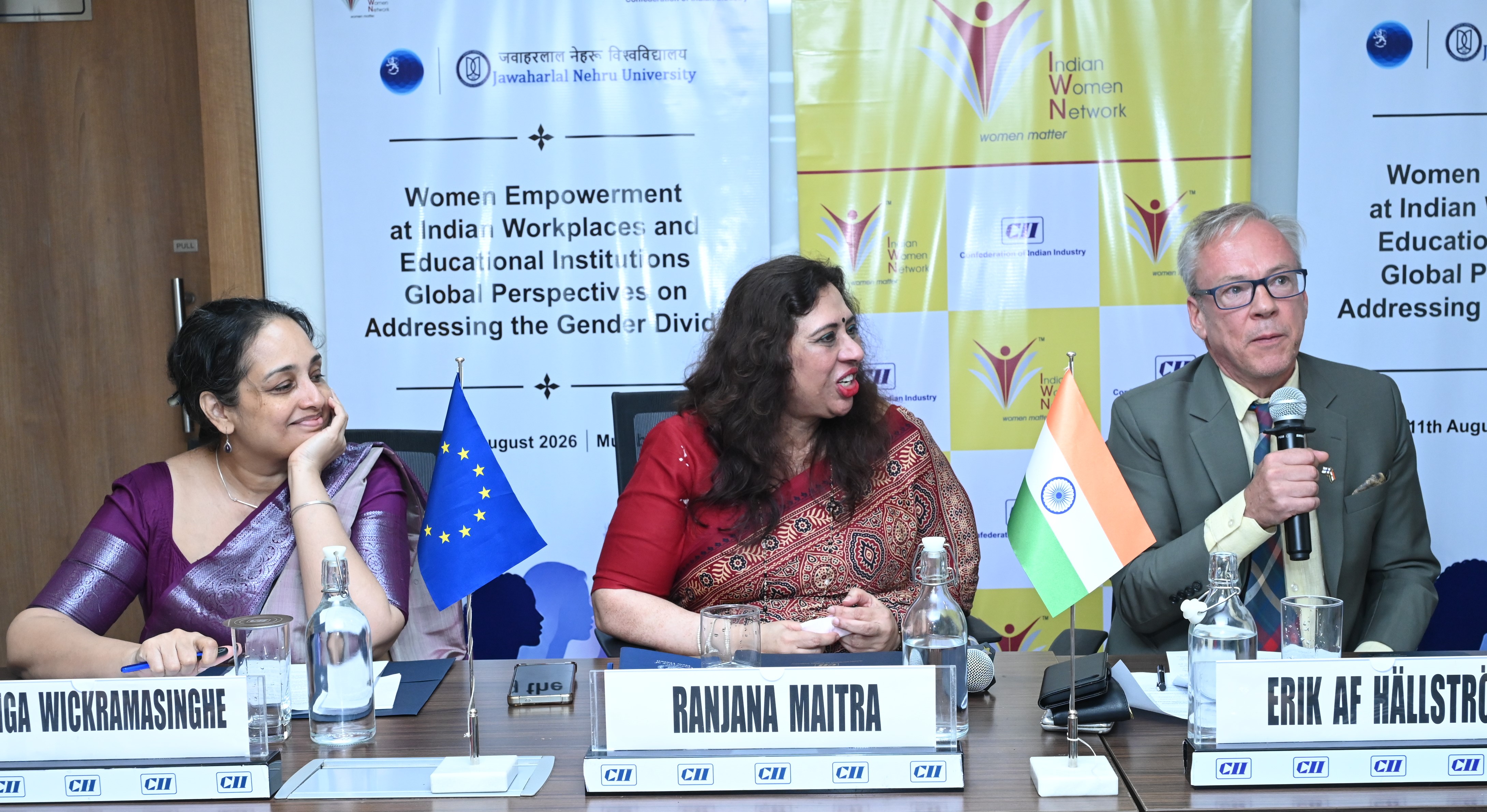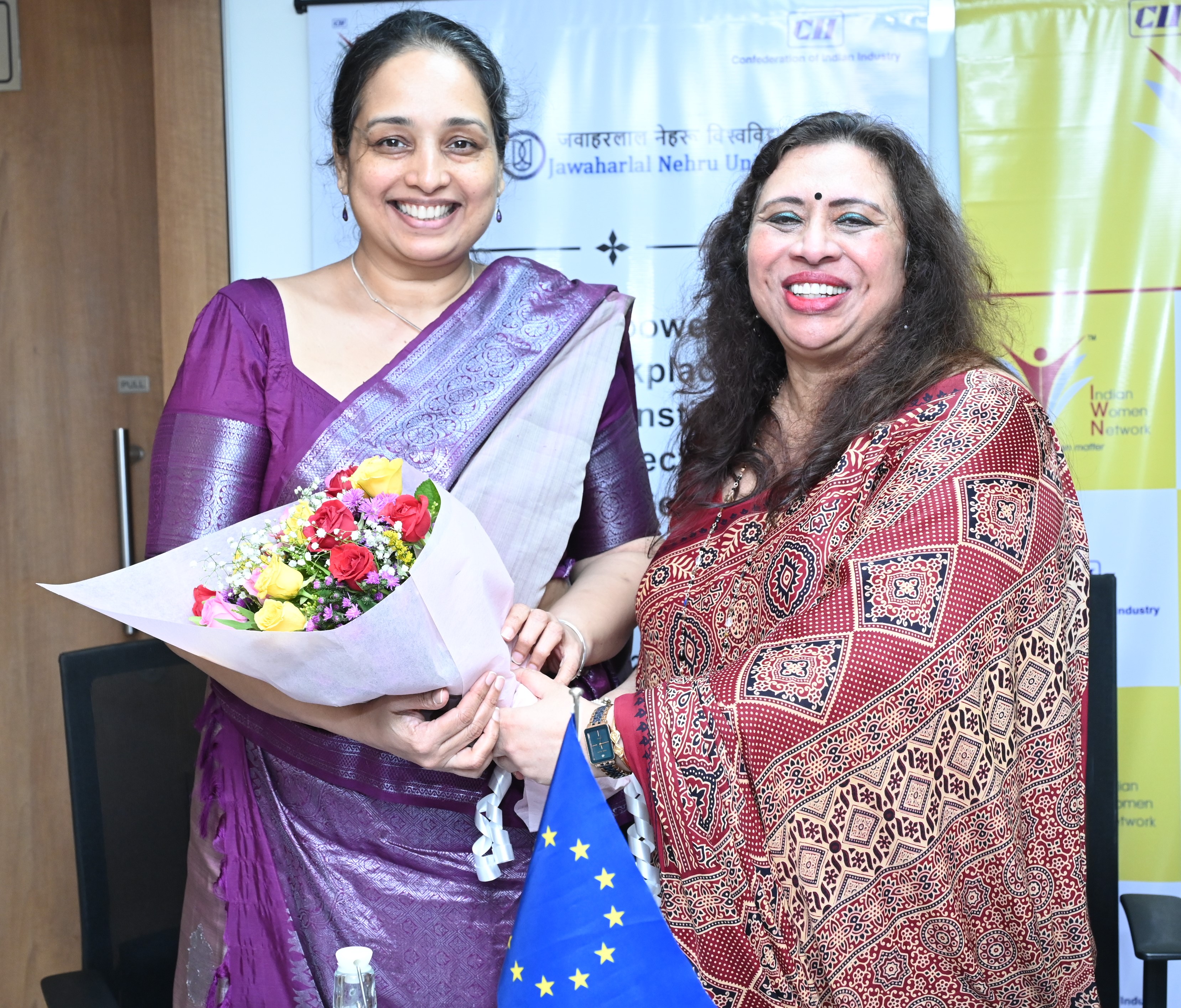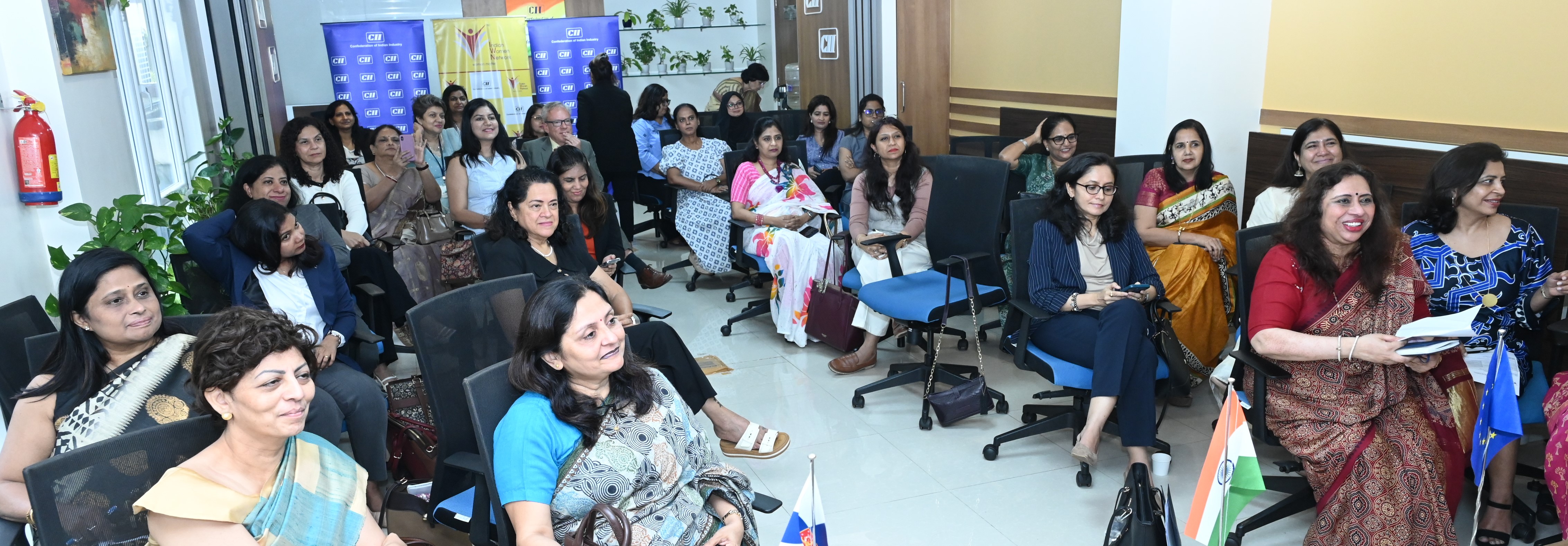
Consul General of Sri Lanka in Mumbai Priyanga Wickramasinghe, addressed the India–Finland Dialogue on Gender Equality, Inclusion and Women's Empowerment held at the Confederation of Indian Industry (CII) in Mumbai on 11 August 2026. Organised jointly by the Consulate General of Finland in Mumbai, the CII Indian Women Network (IWN) – Western Region, and Jawaharlal Nehru University (JNU), New Delhi, the dialogue brought together a diverse group of stakeholders including diplomats, policymakers, corporate leaders, academics, researchers, women entrepreneurs, industry associations, and CII members. Recognizing that gender equality is a vital driver of economic growth, innovation, organizational excellence, and sustainable development, the dialogue focused on how organizations can move beyond policy intent to create inclusive, future-ready workplaces.
The conference opened with welcome remarks from Chairperson of CII IWN Western Region Ranjana Maitra, followed by special addresses from Consul General of Finland Erik af Hällström, highlighting Finland's experience as a global leader in progressive public policies and parental support systems, and Prof. Jyoti Atwal of JNU Delhi on addressing gender divides in educational institutions.
In her remarks, Consul General Wickramasinghe observed that bringing together insights from Nordic Europe, India’s dynamic socio-economic landscape, and Sri Lanka’s social development narrative creates a unique cross-country synthesis for strengthening collaboration and sharing best practices. She underscored that while healthcare and equal access to education provide an indispensable foundation, high educational attainment alone does not automatically translate into economic authority, boardroom representation, or political leadership without deliberate structural intervention. Addressing the underlying paradox where high cultural respect in the private sphere fails to translate into public decision-making power, she echoed Sri Lankan Prime Minister Dr. Harini Amarasuriya’s vision of moving away from traditional welfare rhetoric toward rights-based economic inclusion, recognizing unpaid care work, and reforming institutional spaces. She also highlighted the vital need to protect working-class women driving key national sectors—such as apparel, tea exports, and foreign remittances—who face persistent wage disparities and fragile safety nets.
Core to her message was the need for shared responsibility between governments and the private sector to co-invest in care infrastructure, such as gender-neutral parental leave and employer-supported childcare, institute target-driven leadership quotas inspired by Sri Lanka's 25 per cent local government quota, and expand financial inclusion and digital skills for female entrepreneurs to carry women seamlessly from academic success all the way to executive and national leadership.
Sri Lanka’s perspective was specifically sought at the dialogue to provide an invaluable regional benchmark, demonstrating how a South Asian nation with exceptionally high human development indicators navigates the transition from academic and social success to equitable corporate and political leadership.
18 August 2026